Home Page Sustainability Sustainability Management EnvironmentBiyoçeşitlilikBiodiversity Original Contribution Projects
Biodiversity Original Contribution Project
Biodiversity Original Contribution Projects
In addition, we implement our “original contribution” biodiversity projects for the protection of local flora and fauna, which our activities do not directly affect, with the voluntary leadership and participation of our employees.
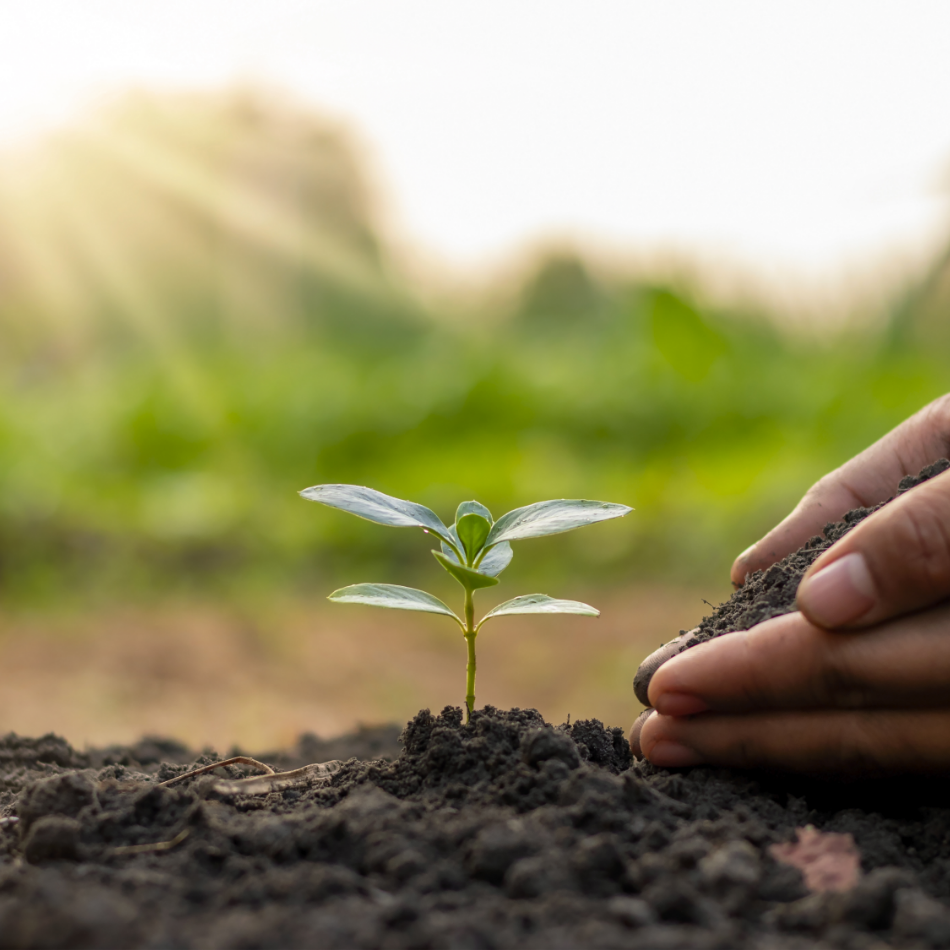
Bee Hotels Biodiversity Project (European Hornet Conservation and Alternative Habitat Creation Project)
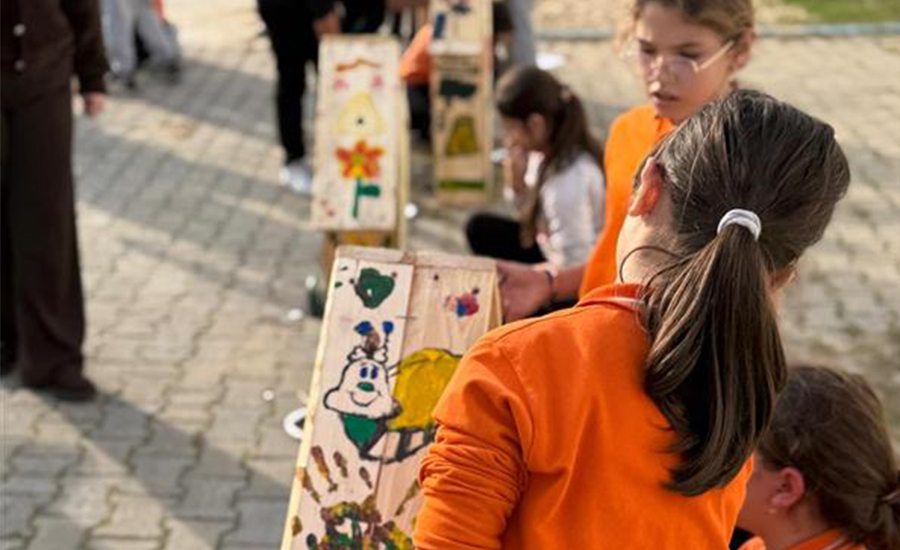
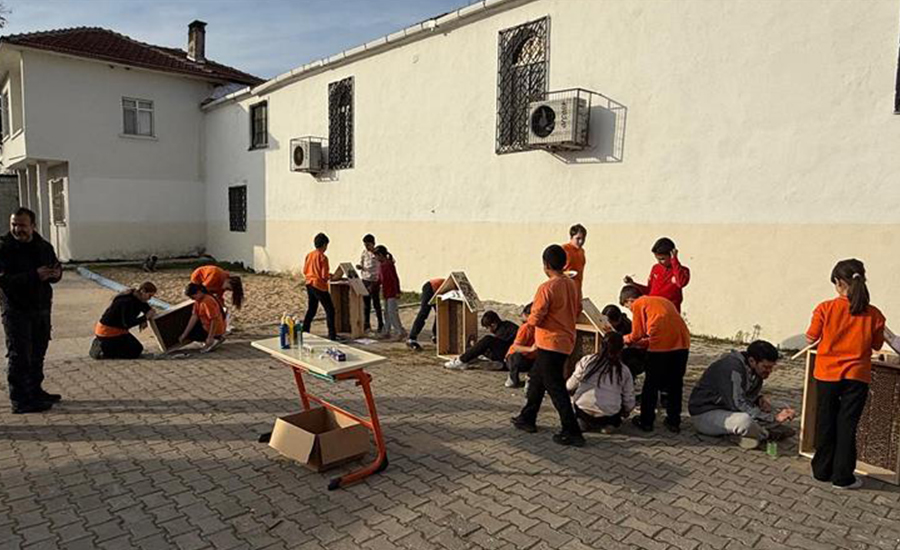
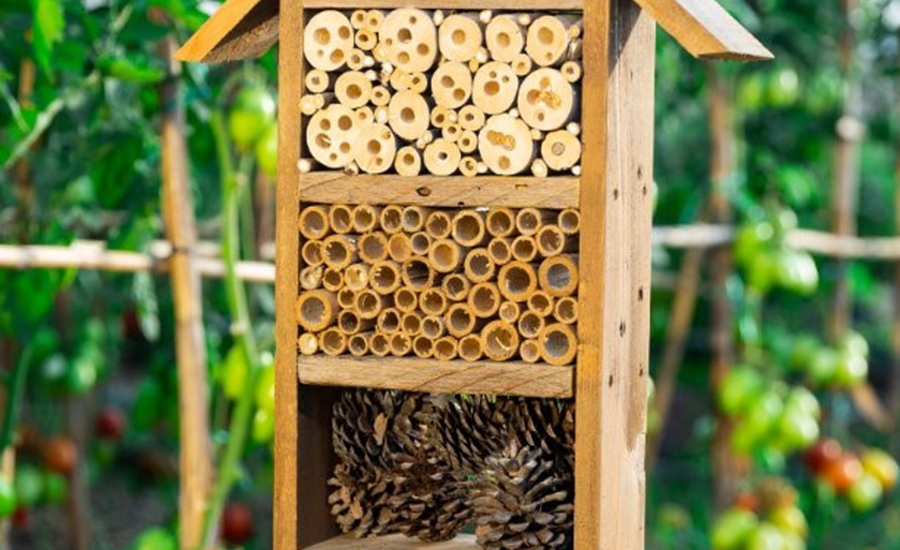
Our Bee Hotels Project was developed following observations of European hornets (Vespa crabro) nesting at turbine entrances within the Kıyıköy Wind Power Plant (WPP) site. While this situation posed safety risks for employees during operation and maintenance activities, it also created a risk of harming a species that plays an important role in ecosystem functioning. The project offers nature-based solutions that balance human-wildlife interactions.
Within the scope of the project, aromatic plants including wild mint, rosemary, thyme, basil, sage, lemongrass, garlic, eucalyptus, and bay leaves were planted around turbine entrances to create natural scent barriers, encouraging hornets to relocate to alternative habitats. In addition, bee hotels made from recycled materials were produced together with students from Kıyıköy Secondary School and installed across the site. Water troughs for wildlife were also created using rainwater collected from turbine structures.
The project aims to protect European hornets, support local biodiversity, preserve ecosystem balance, and improve employee safety. A total of 68 students participated in educational and workshop activities designed to raise awareness of biodiversity and ecosystem conservation. The effectiveness of the bee hotels and water troughs is being monitored through camera traps and field observations.
The Bee Hotels Project presents an integrated model that combines biodiversity conservation, waste reutilization, occupational safety, and community awareness, with plans to expand the initiative to other wind power plants in the future.
Nurdağı’s Olive Trees Biodiversity Project
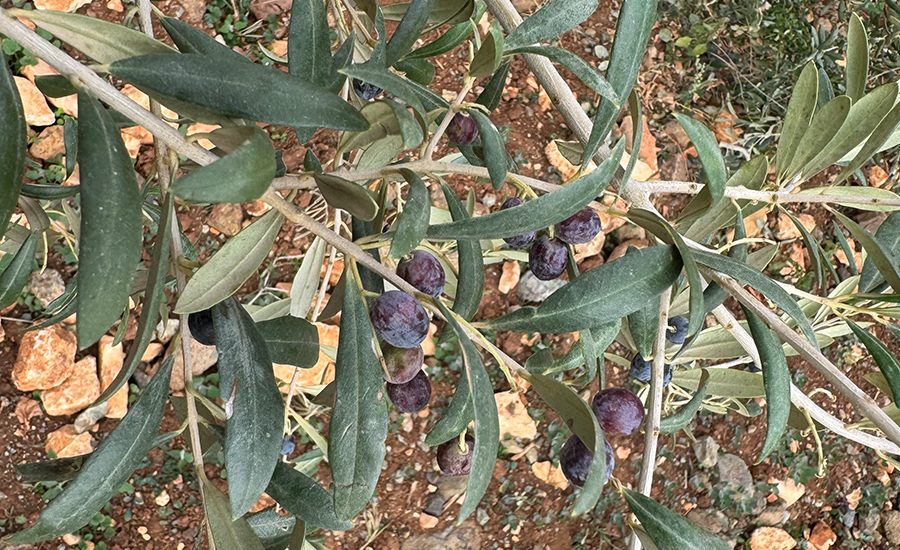
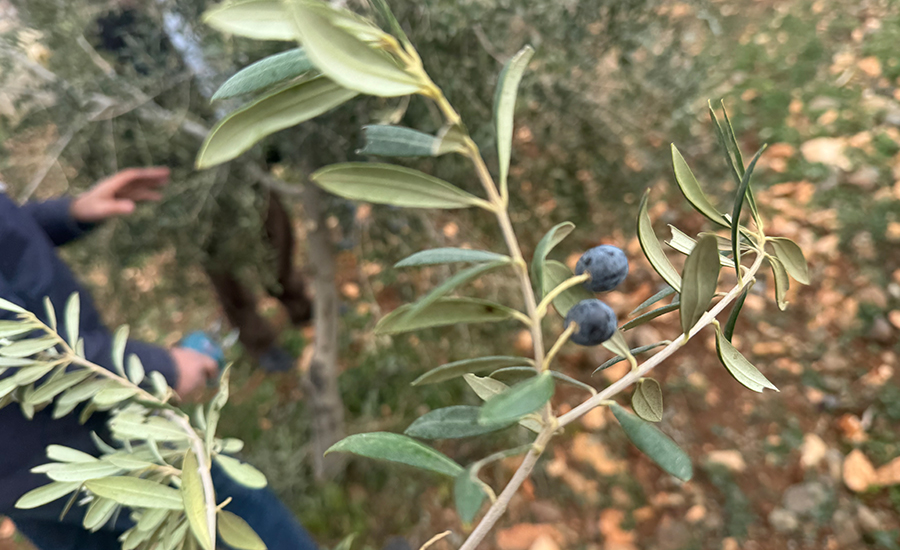
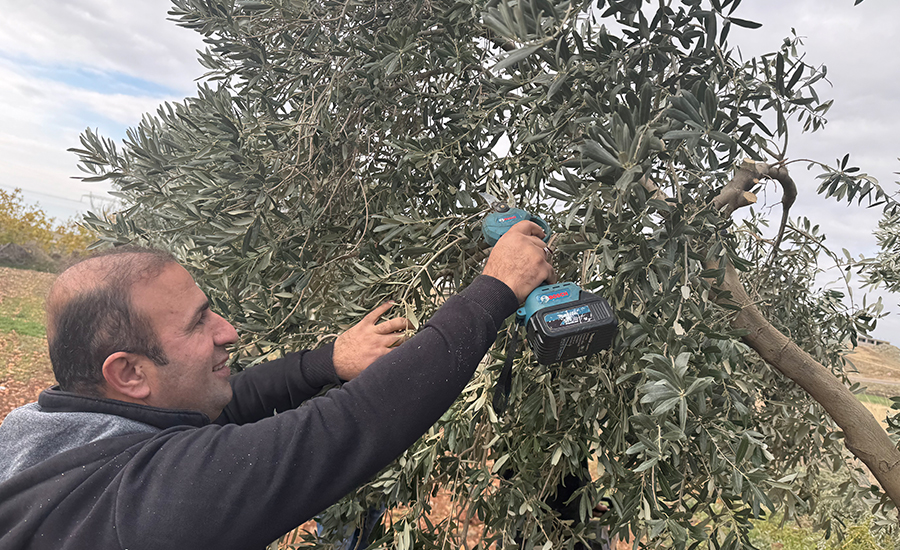 The Nurdağı’s Olive Trees Project was launched to support olive cultivation in the villages of Kartal and Kuzoluk in Gaziantep’s Nurdağı district, where livelihoods were significantly affected by the February 2023 earthquake.
The project aims to improve producers’ knowledge of proper sapling selection, grafting, pruning, and maintenance practices while strengthening local livelihoods.
Within the project, studies were conducted in cooperation with the Nurdağı District Directorate of Agriculture and Agricultural Engineer Hasan Yıldız to identify olive varieties suitable for the region’s climatic and soil conditions. The project also seeks to promote appropriate agricultural practices and prevent the use of unsuitable species in order to protect local biodiversity.
Activities were implemented in three phases. In Kuzoluk Village, correct pruning techniques were demonstrated through practical training. In Kartal Village, grafting methods aimed at improving tree productivity were introduced through hands-on sessions. Additionally, local residents were informed about selecting saplings suitable for the region’s environmental conditions. The project also plans to distribute a total of 200 olive trees to 15 producers and monitor productivity improvements.
The project contributes to biodiversity conservation, agricultural productivity, and rural development by combining local knowledge with technical expertise. Expansion to additional villages and energy facilities is planned for the future.
Social Contribution and Carbon Reduction through Natural Grazing in Solar Power Plants Project
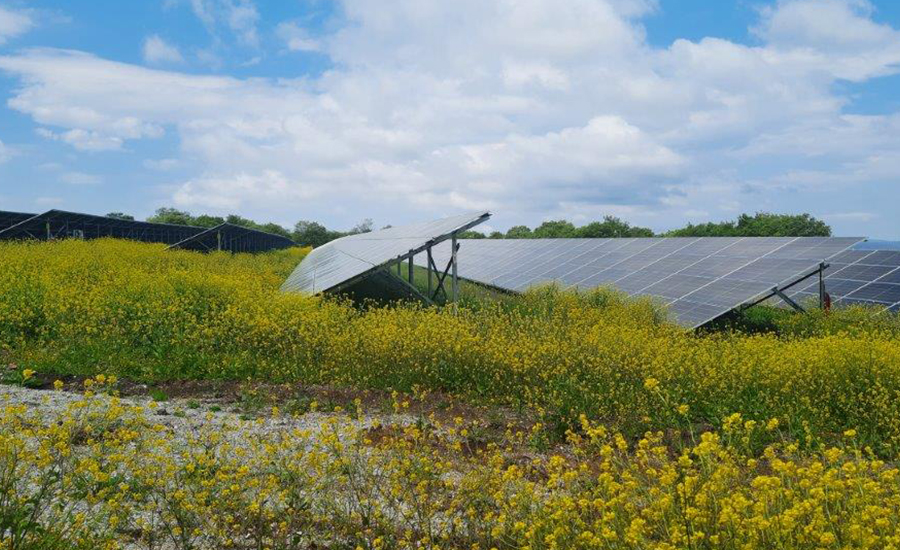
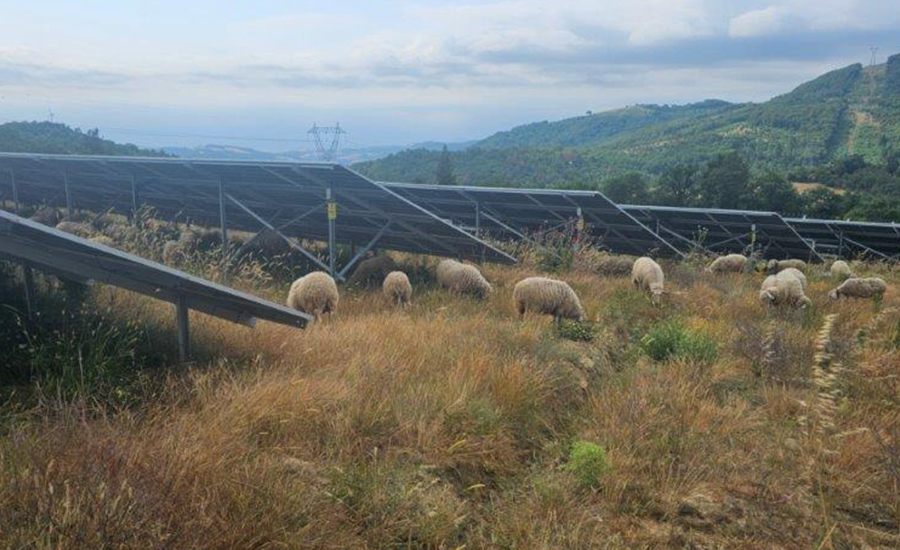
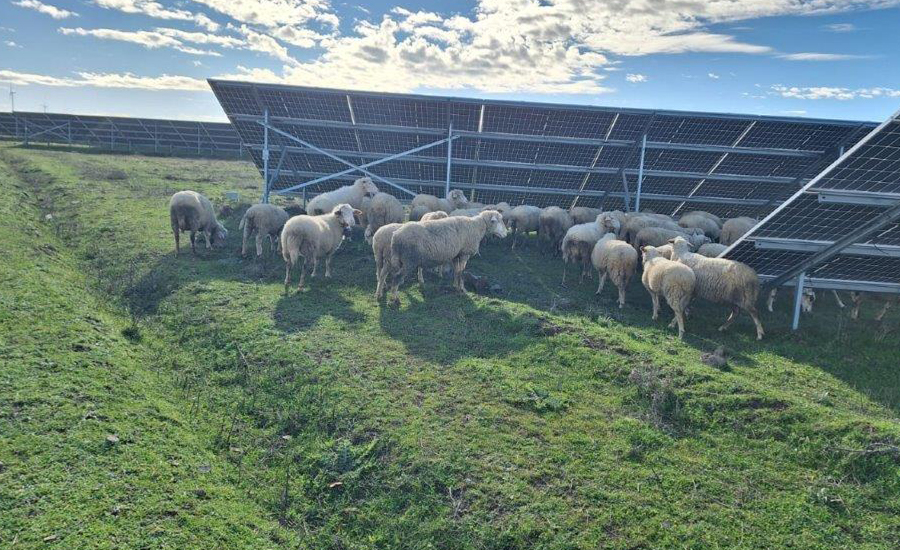
This project was developed to replace fossil fuel-based and chemical vegetation management methods in solar power plants with controlled sheep and lamb grazing, creating both environmental and economic benefits. It provides a nature-based alternative to traditional practices that contribute to carbon emissions, increased costs, wildfire risks, and biodiversity loss.
Under the project, partnerships were established with local livestock farmers to implement controlled grazing within solar energy sites. Grass height, site safety, and operational continuity were regularly monitored throughout the process. Grazing plans were designed to ensure both animal welfare and facility protection.
As a result, chemical use was eliminated, carbon emissions were reduced, and significant maintenance cost savings were achieved. Monitoring results showed maintenance cost savings of TRY 2,558,000, feed cost savings for local farmers of approximately TRY 1,000,000, and a carbon reduction benefit of 7.99 tonnes of CO₂.
The project combines carbon reduction, biodiversity conservation, circular economy principles, and local development within a single model. By supporting local livestock farmers while promoting environmentally responsible land management, it demonstrates a scalable approach that is planned to be expanded to additional sites in the future.
Sultan Lily Conservation and Regeneration Biodiversity Project
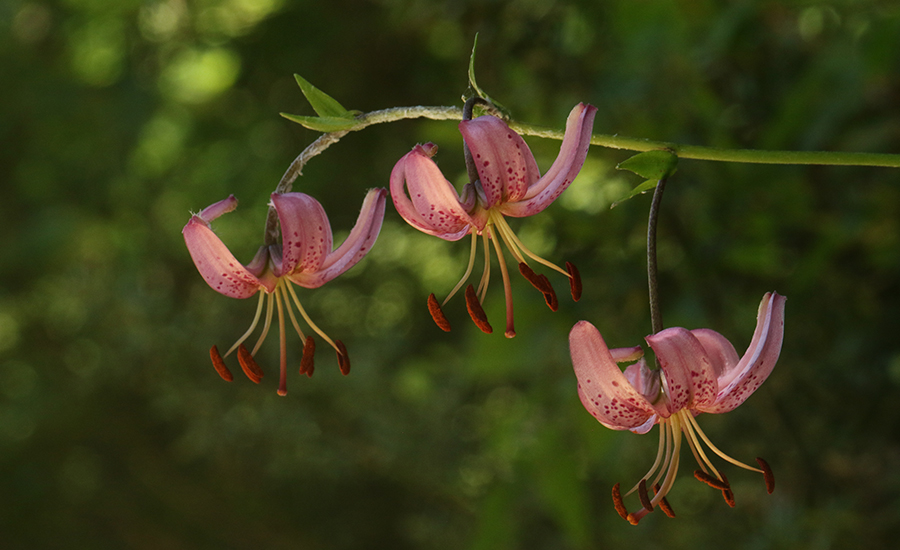
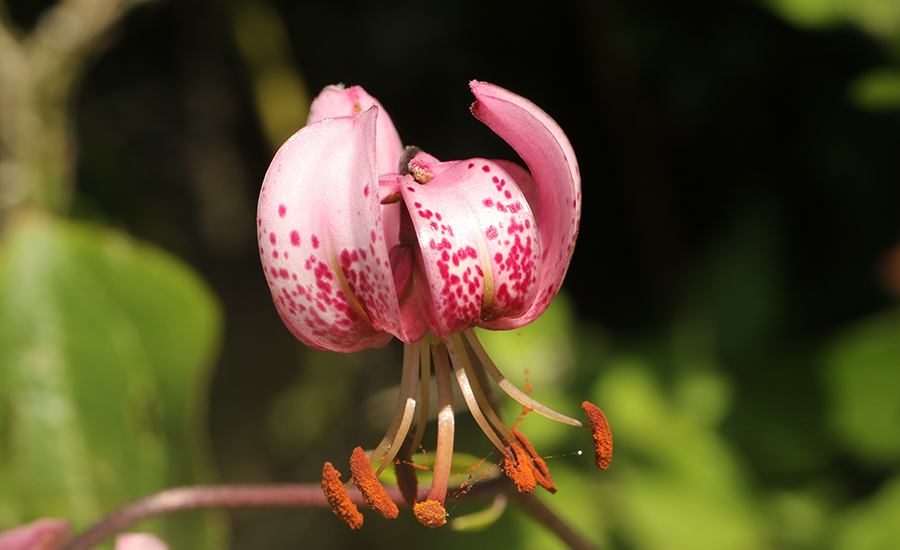
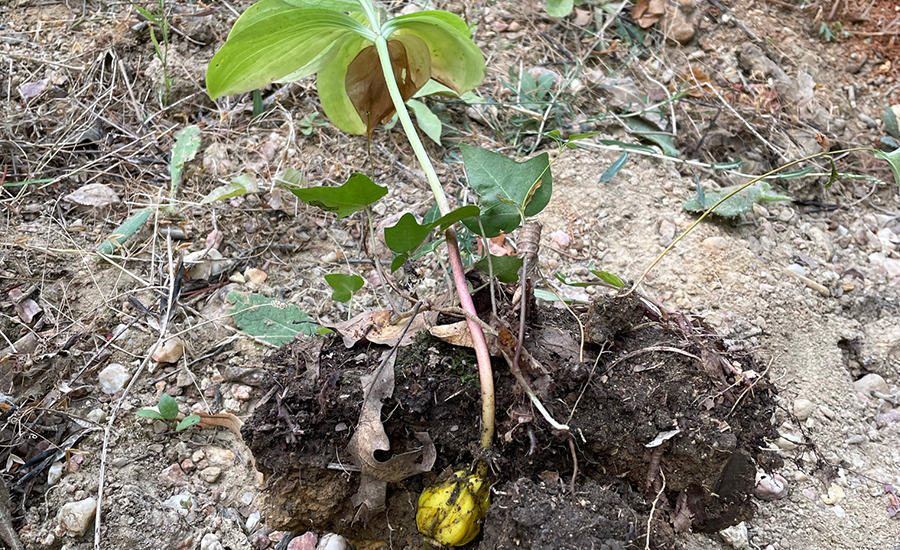
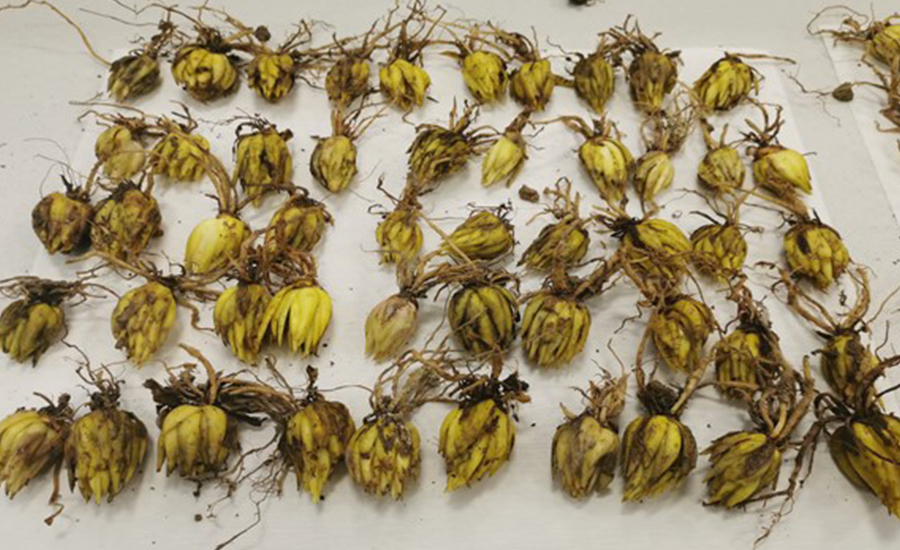
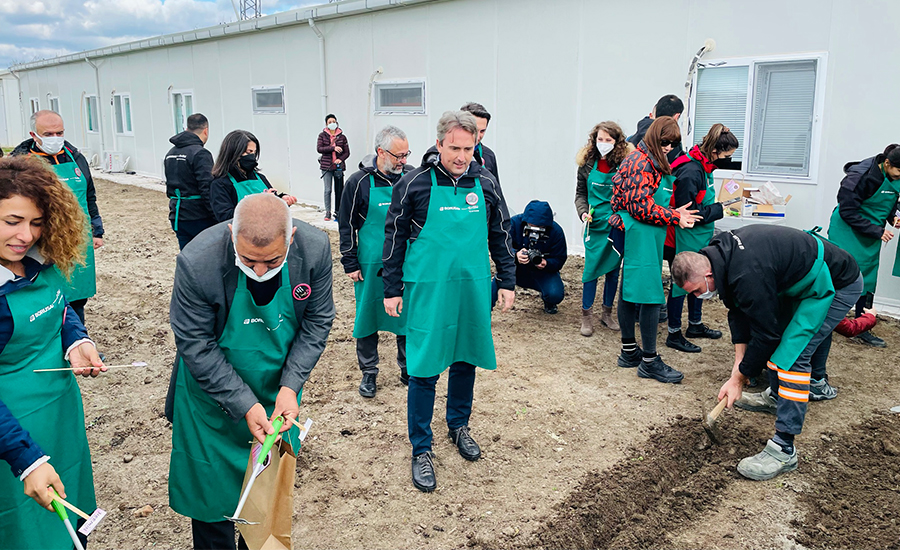
Sultan Lily Conservation Biodiversity Project [Production of Lilium martagon L. (Sultan Lily) in Its Natural Habitat Using the Bulblet Separation Method]
Our Sultan Lily Conservation and Regeneration Project was planned with this perspective in mind. We carry out our work in collaboration with the Department of Biology and Ecology, Faculty of Science, Gazi University.
Our species is the Sultan Lily, whose scientific name is Lilium martagon. In some sources it is also known as the Turkish Lily or Istanbul Lily. It is an ornamental species naturally distributed in limited areas of the Marmara and Western Black Sea regions, particularly around Istanbul. Its bulbs have been exported abroad for ornamental purposes for many years.
As a CITES-listed species, the natural populations of Lilium martagon have declined significantly in recent years due to increasing construction activities and ornamental plant trade within its distribution area. Although this species spread to Europe from its native homeland, it is now facing the threat of extinction in its original habitat.
Through the Sultan Lily Conservation and Regeneration Biodiversity Project, we aim to propagate this species using production techniques, establish a cultivation garden, open the cultivated population to visitors, create biodiversity awareness through species promotion, contribute to species conservation, and support its regeneration in nature.
Within the scope of the project, we established a production garden at our Kıyıköy Wind Power Plant facility in Kırklareli. With special permission from the relevant authorities, we collected 100 mature bulbs from nature. Subsequently, under university supervision, these 100 bulbs were separated into trays and nearly 1,000 individuals were obtained under laboratory conditions. We planted these propagated individuals both in our production garden and directly in natural habitats to support regeneration. In the next phases of the project, we aim to promote the species through biodiversity education activities involving local schools and local communities.
Birdhouses and Bat Roosts Biodiversity Project
The biodiversity project carried out under the protocol signed between Çanakkale Onsekiz Mart University and Borusan EnBW Energy aims to increase bird and bat populations, which are important species within terrestrial ecosystems, in forested areas. Through these species, which feed on insects harmful to trees, the project supports balanced insect populations and healthier forests.
In the first phase of the project, students from Gönen Chamber of Commerce Vocational and Technical Anatolian High School produced birdhouses and bat roosts through their own craftsmanship.
Following this, Borusan EnBW Energy sustainability volunteers painted the birdhouses and bat roosts according to specifications determined by ornithologists.
After location selection studies in forest areas, the birdhouse and bat roost installation event was carried out on 13 May 2022 with the participation of Borusan EnBW Energy representatives and academic staff from Çanakkale Onsekiz Mart University.
In the next phase of the project, the use of birdhouses and bat roosts will be monitored, and the results will be disseminated through academic publications.
Future of Karadağ Chestnut Biodiversity Project
The Karadağ region is known for its unique chestnut trees. Chestnut production is one of the primary sources of income for many villages in the area. In 2018, an invasive pest species known as the “Chestnut Gall Wasp,” introduced from China, began causing significant damage to chestnut trees. According to information obtained from forestry authorities and local communities, chestnut yields have declined by approximately 80% in recent years, adversely affecting both the region and local livelihoods.
As Borusan EnBW Energy, although our facilities have not caused this problem, we strive to support affected areas near our facilities through dedicated projects. The Future of Karadağ Chestnut Biodiversity Project was developed in response to this challenge. The project aims to maintain ecological balance through organic methods, protect other species within the ecosystem, ensure the sustainability of Karadağ chestnuts for future generations, prevent biodiversity loss, and help local communities regain their lost livelihoods.
During the first phase, collaboration was established with the General Directorate of Forestry, recognized in Türkiye for its scientific research on the Chestnut Gall Wasp, and various control methods were evaluated. The most effective approach was identified as biological control using Torymus sinensis, a beneficial insect that feeds on Chestnut Gall Wasp larvae.
Following this work, on 17 November 2022, 38 Borusan EnBW Energy volunteers participated in a Chestnut Gall Collection Event, collecting approximately 25,000 galls that were delivered to laboratory cold storage facilities.
Bandırma Forest Directorate coordinated the storage and release of beneficial insects, while breeding site activities involved local communities and BEE volunteers. During the spring season, the beneficial insects produced through these efforts have been released into chestnut tree populations.
Biodiversity Project for the Propagation and Dissemination of Heirloom Seeds
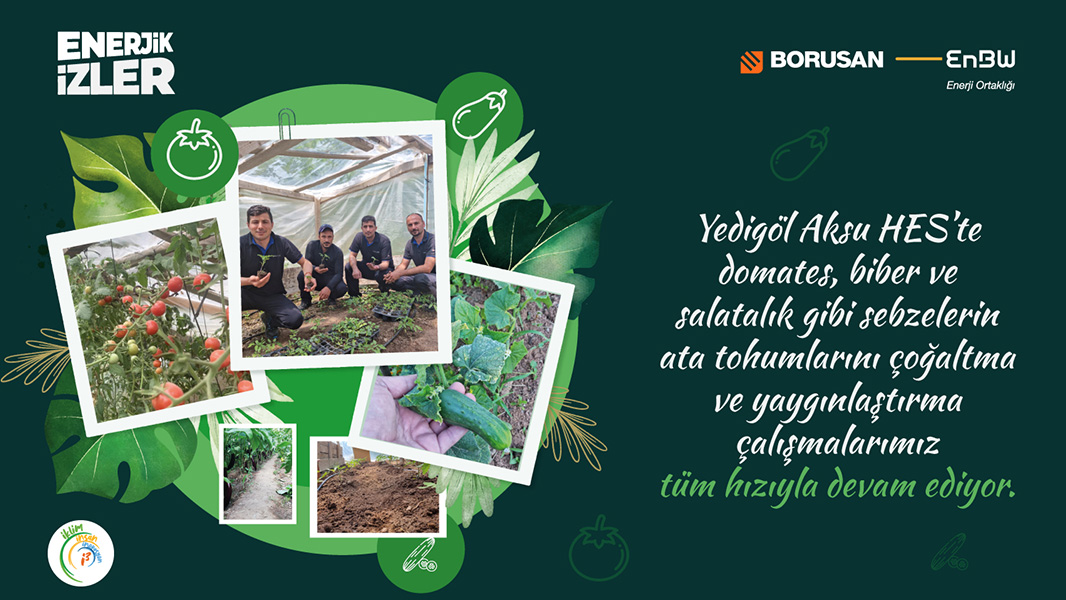
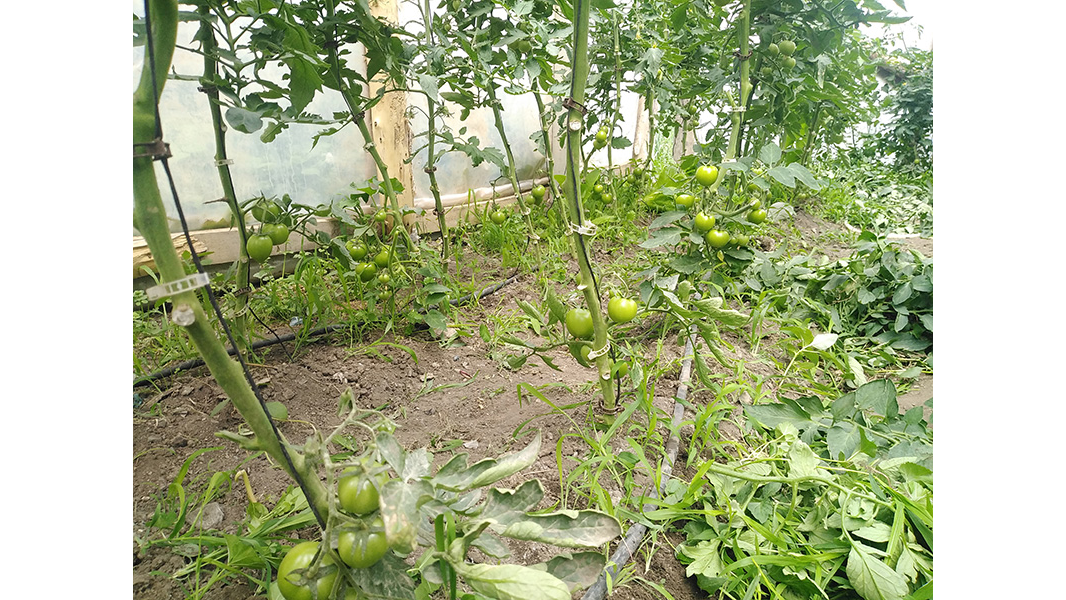
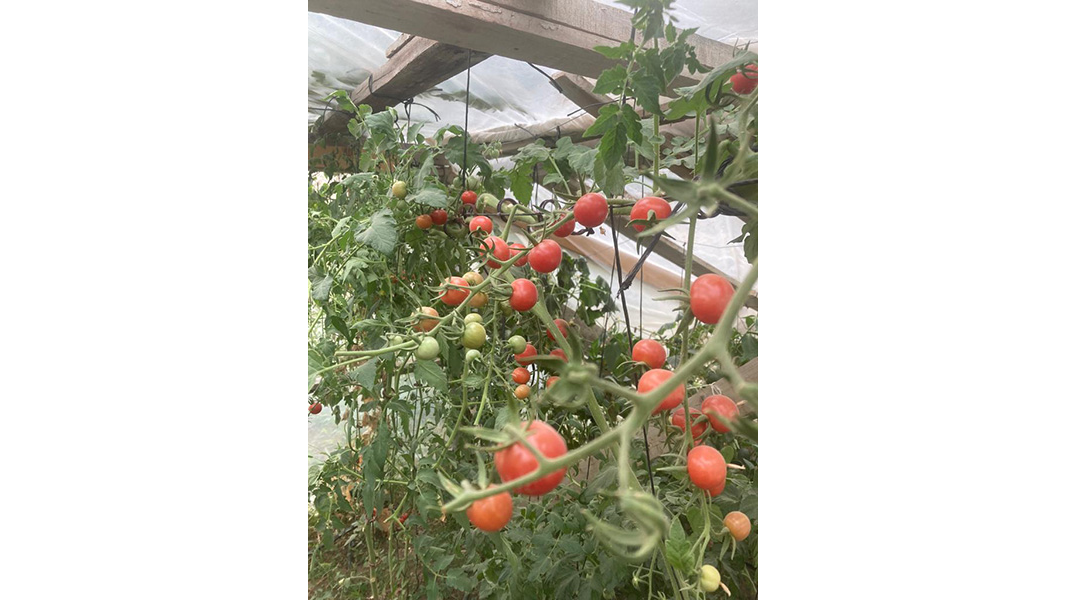
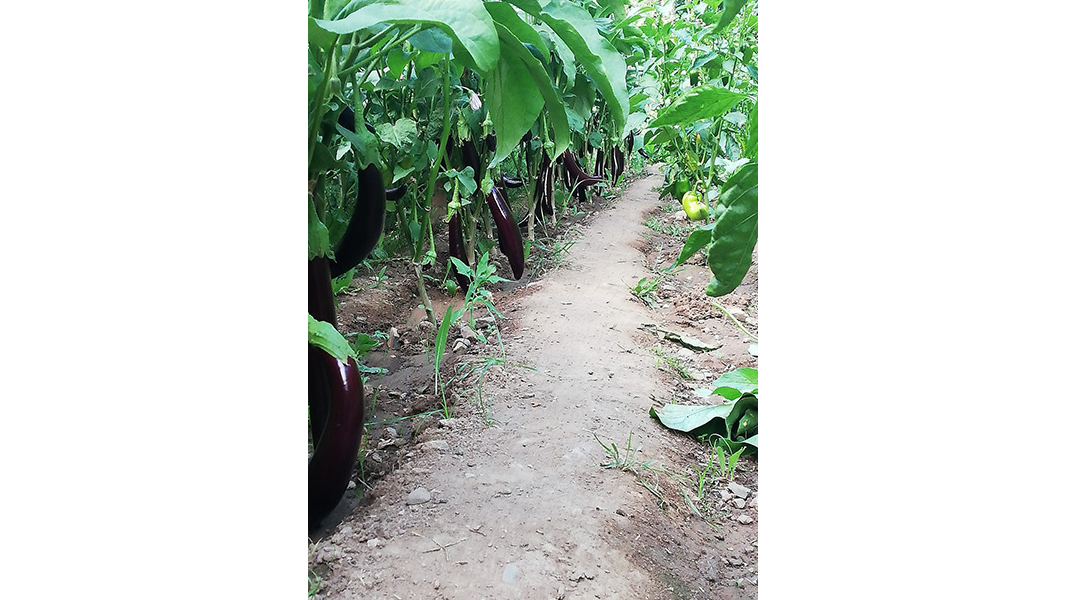
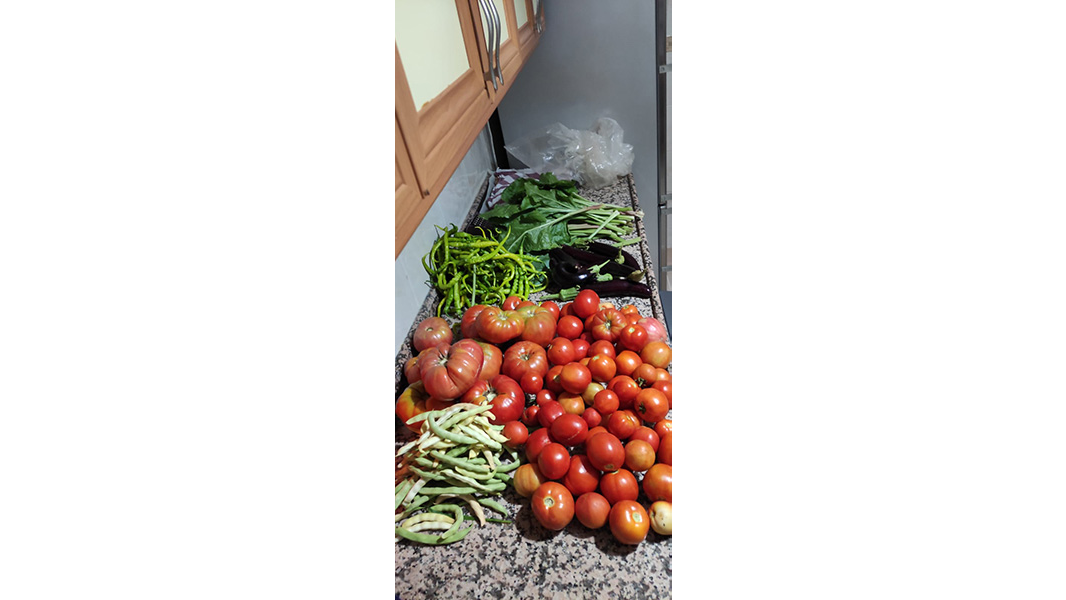
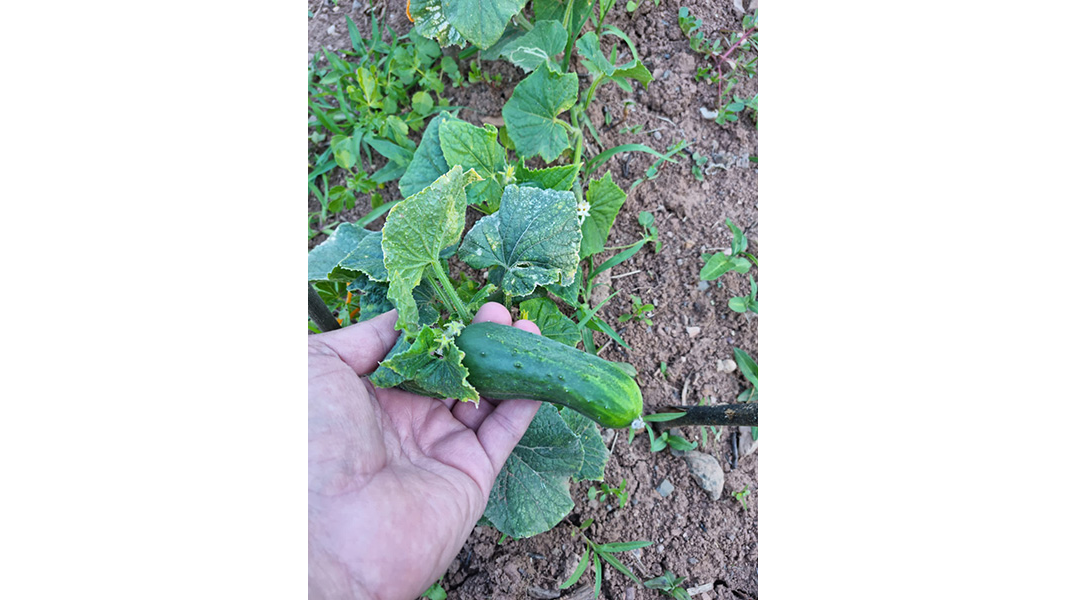
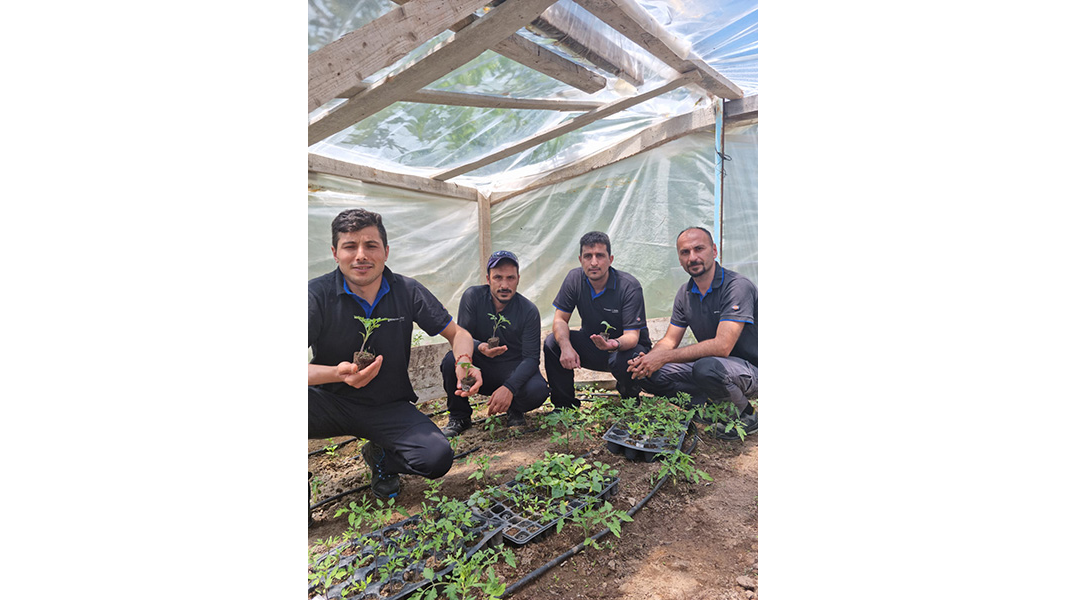
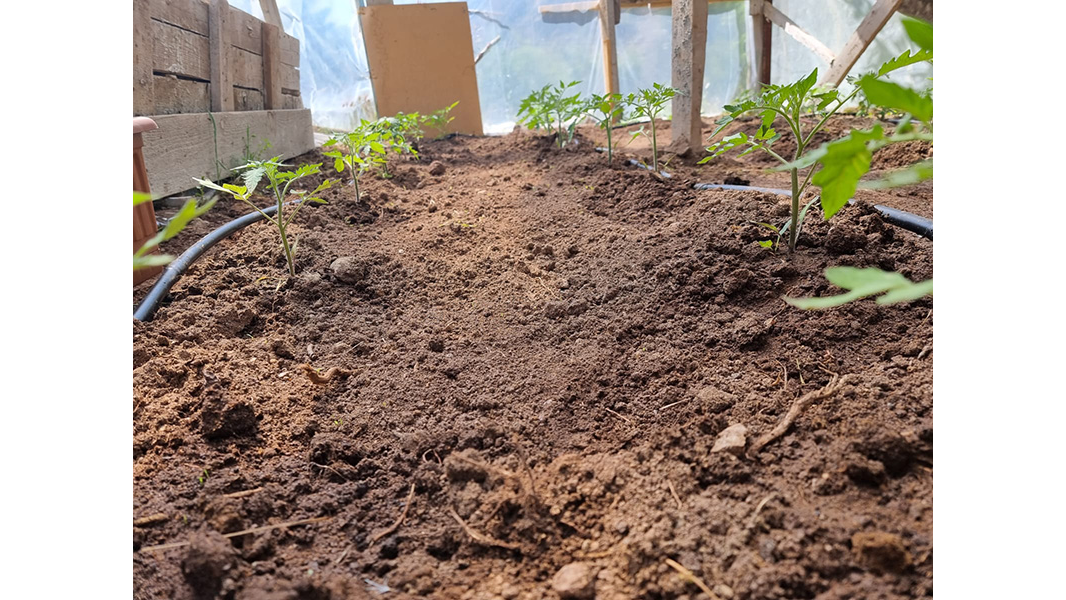
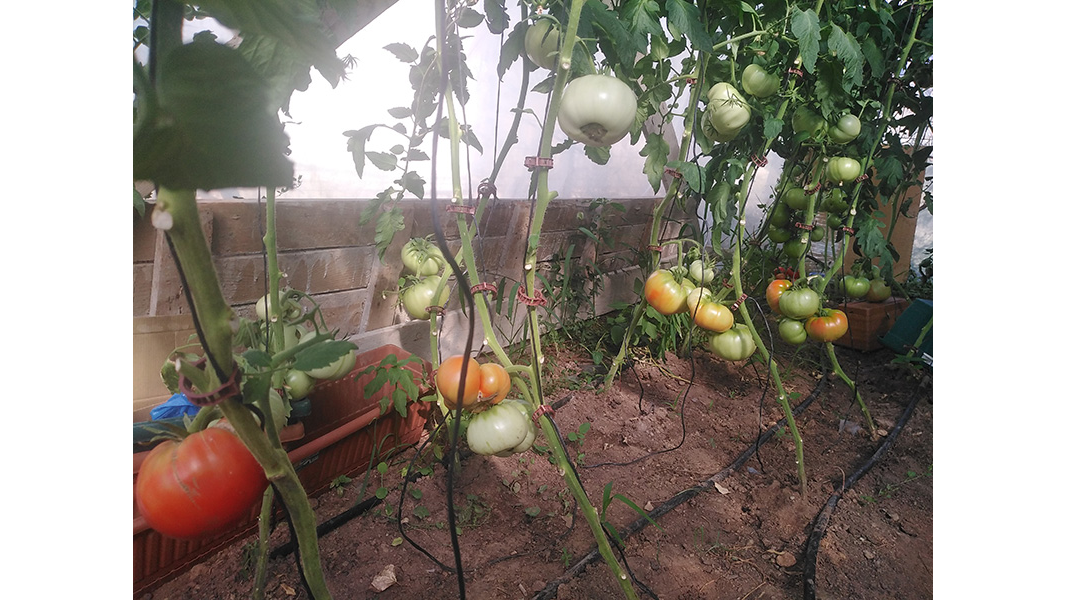 At our Yedigöl Aksu Hydroelectric Power Plant in İspir, Erzurum, our goal is to reuse the product obtained through the fermentation of woody and organic waste generated by our operations and to collect, propagate, and disseminate heirloom seeds found in the region and surrounding areas.
We are located in one of the regions where agriculture first emerged. Anatolia is home to many unique heirloom seeds that are native to these lands. Heirloom seeds are pure varieties that have adapted to challenging climate conditions for thousands of years and have survived to the present day.
These highly adapted seeds are suitable for the conditions of their native geography and can withstand even harsh climatic conditions. Other seeds, which are often grown using chemical treatments and are generally imported, cannot be reused the following year. Foods produced from seeds that do not belong to our geography also differ in taste and aroma.
Recognizing that food security in our country can only be achieved through reproducible seeds originating from these lands, we developed this project. Within the project, woody debris, wood materials, household waste, paper waste, and other natural materials collected from locations where water passes through our facility are processed through composting.
The suitability of compost materials for plant cultivation is regularly tested with university support. Heirloom seeds collected in the greenhouse established near our facility are cultivated, and once mature, their seeds are harvested and distributed to our other facilities in different regions. In this way, we propagate and disseminate heirloom seeds.
Deforestation Prevention Projects
Forest Heroes Forest Awareness and Cleanup Project
To reduce forest fire risks occurring in different locations throughout Türkiye, prevent soil and water pollution, and protect wildlife from harm, Borusan Group launched a forest awareness and cleanup initiative under the leadership of Borusan EnBW Energy with the participation of volunteer employees from all group companies and in cooperation with the Yuvam Dünya Association.
Borusan volunteers gathered in İzmir to raise awareness about the destructive effects of forest waste, one of the causes of human-induced forest fires and a highly flammable factor during fire events, and to collect waste in forest areas before the wildfire season.
During the event held on 3–4 June, Borusan volunteers spent two days immersed in nature under the guidance of Assoc. Prof. Dr. Cihan Erdönmez from Istanbul University Faculty of Forestry and a member of the Scientific Board of Yuvam Dünya Association. Activities focused on learning about forests, raising awareness, collecting forest waste, and preparing a Forest-Friendly Living Guide.
The initiative is intended to mark the beginning of ongoing forest cleanup efforts. The project, implemented through voluntary participation by Borusan employees, aims to contribute to responsible citizenship and employee volunteerism to help prevent the recurrence of unfortunate events experienced in previous years.
Tree Planting
As Borusan EnBW Energy, we support efforts to combat deforestation in our country through regular tree-planting activities.
Seed Ball Throwing
We stand with nature to support terrestrial ecosystems and increase forested areas in our country. Through the Ecording project, we carried out a seed ball dispersal initiative in mountainous and steep areas where conventional afforestation activities are difficult to implement.
Clean Agriculture Project
We continue to carry out awareness-raising activities among local communities regarding the impacts of agricultural waste generated following farming activities in the area where our Balabanlı WPP facility is located.
Wildlife Photography Competition in Türkiye
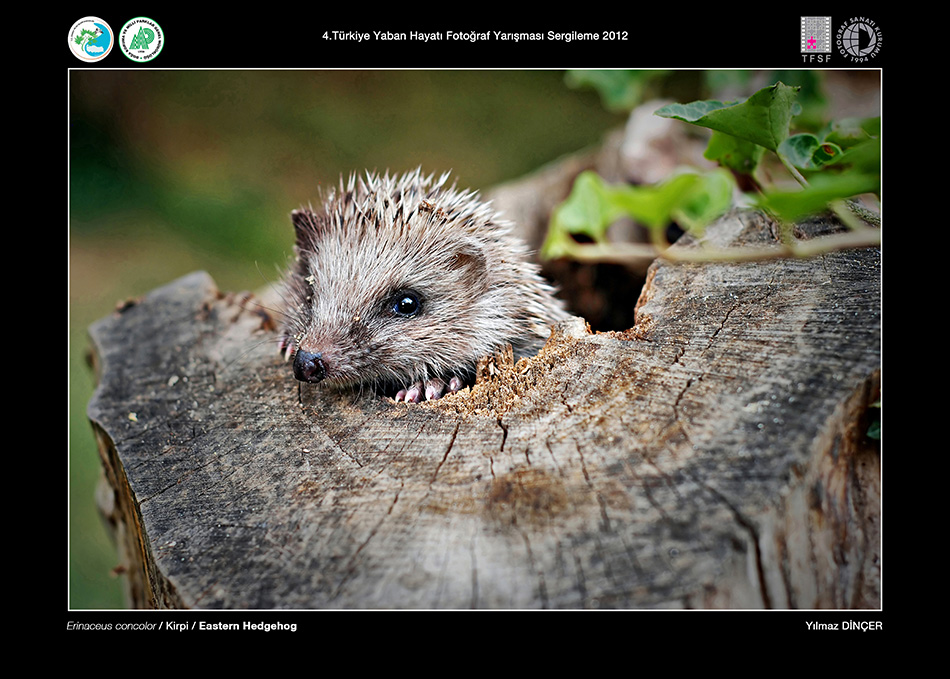
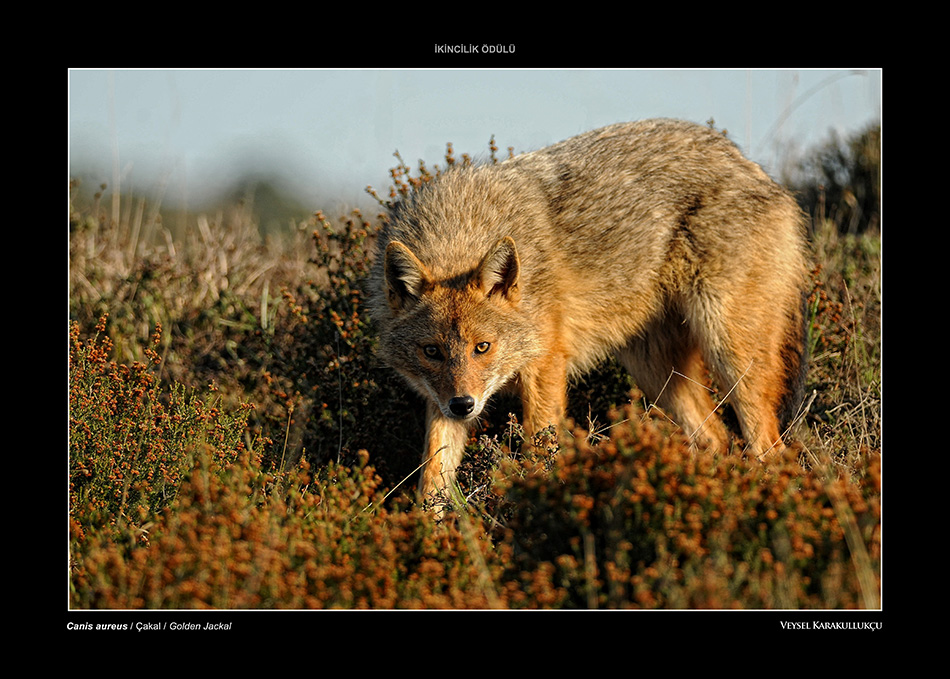
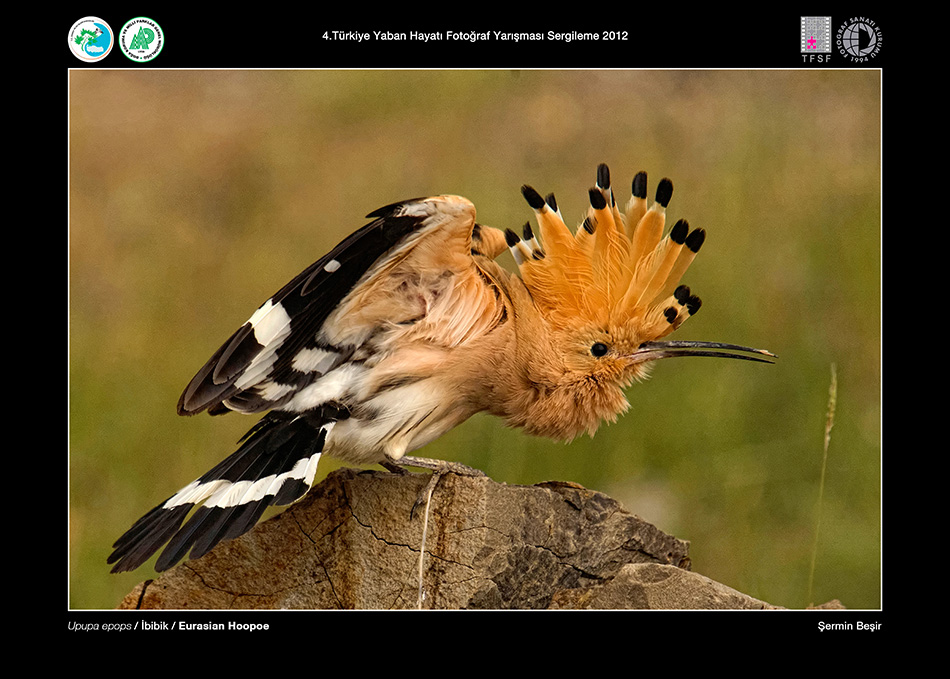
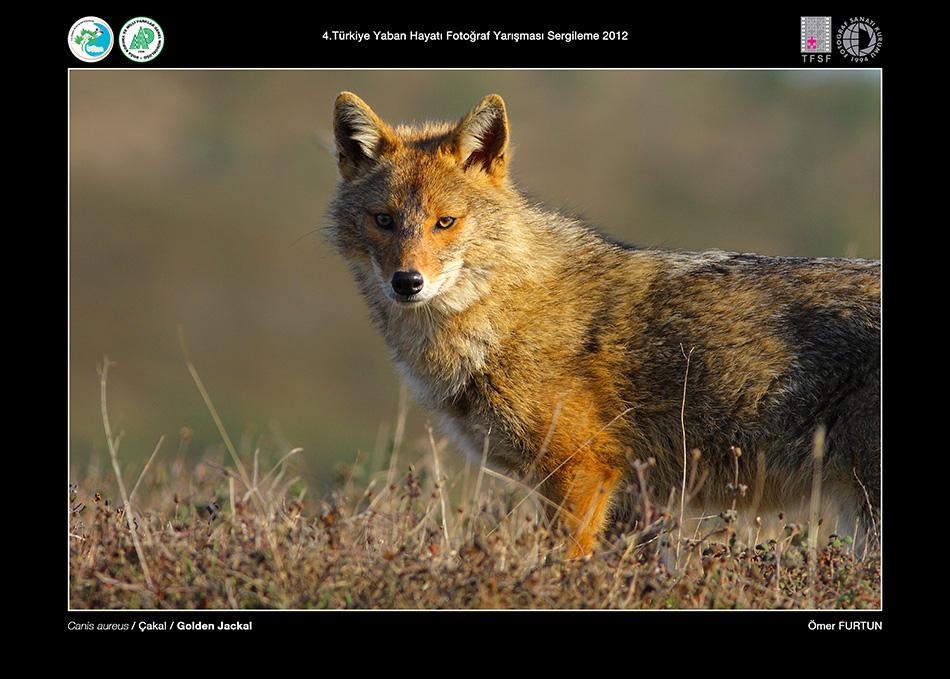
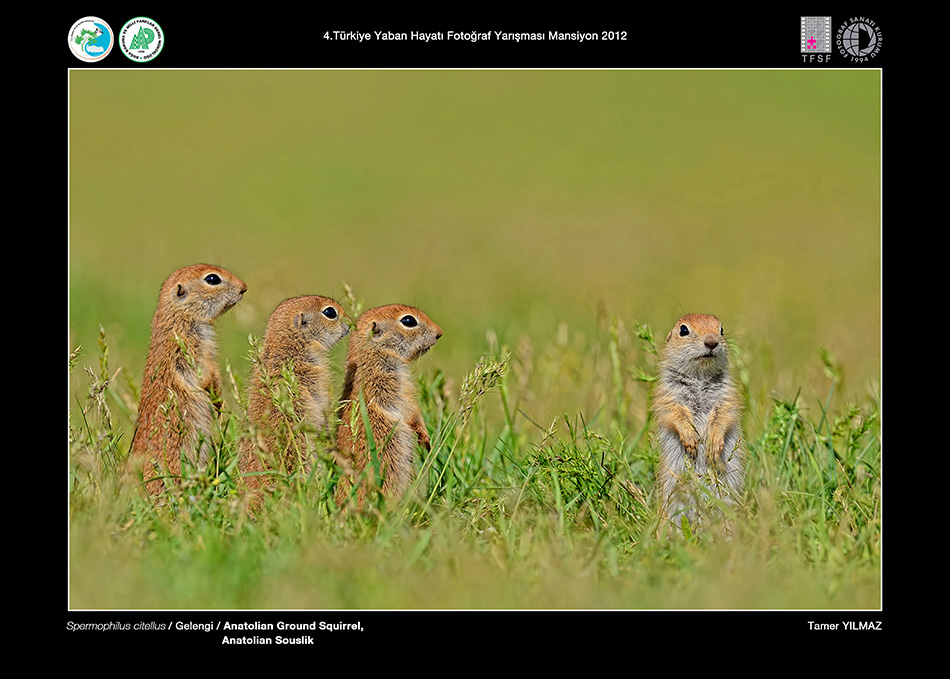
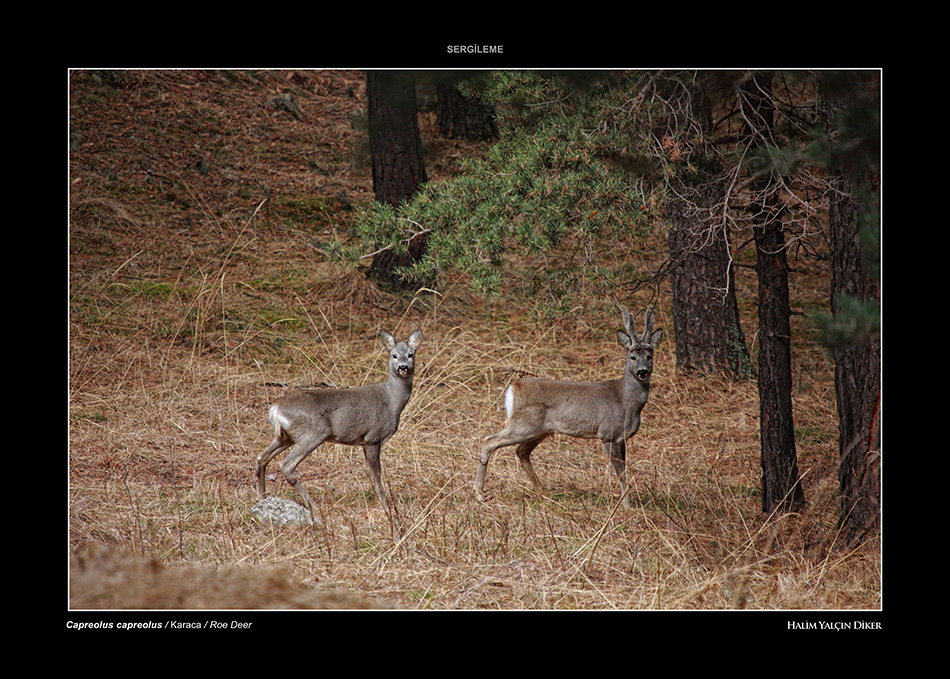
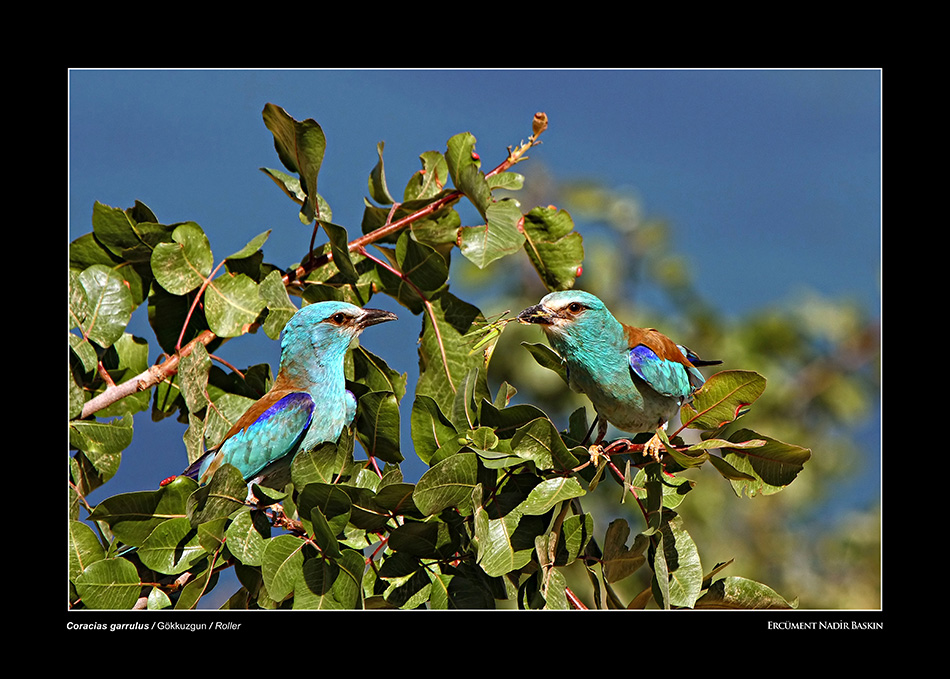
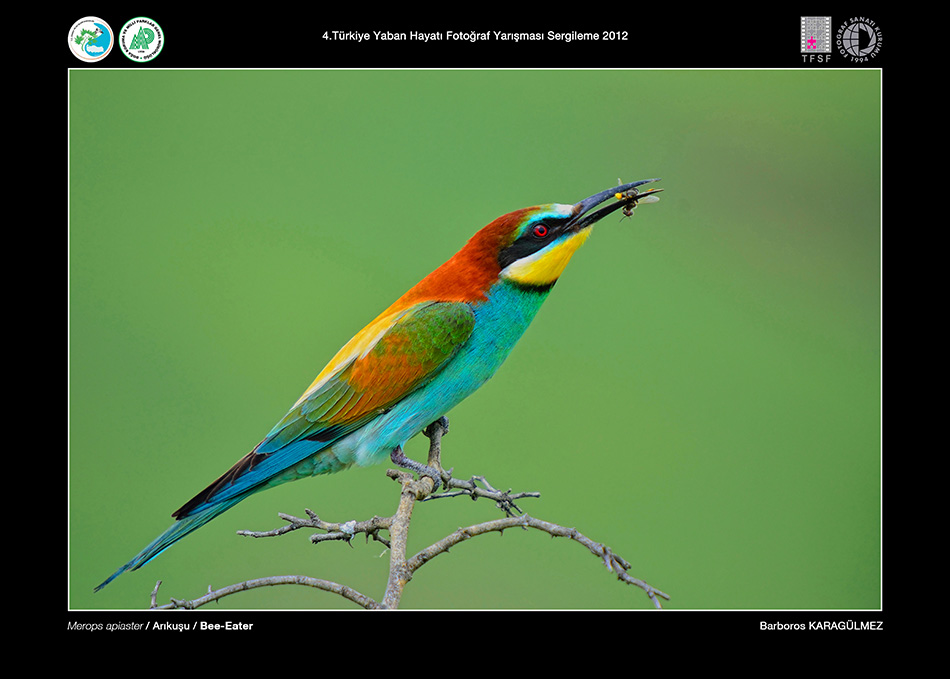
To support the documentation of wildlife, defined as all non-domesticated living organisms and their relationships with ecosystems; to raise public awareness of wildlife species in Türkiye; and to encourage the photography of species in their natural habitats, Borusan EnBW Energy supported the “Türkiye Wildlife Photography Competition,” organized by the General Directorate of Nature Conservation and National Parks of the Ministry of Forestry and Water Affairs of the Republic of Türkiye and managed by the Turkish Federation of Photographic Arts (TFSF) and the Photography Art Institution Association (FSK), in 2009, 2010, 2011, 2012, 2013, and 2014.